From Manual to Agentic: The Process Foundation Every Aussie Enterprise Needs
- Oct 20, 2025
- 6 min read
Australian enterprises are standing at the threshold of a fundamental shift. The transition from manual, human-driven processes to agentic AI systems isn't just another technology upgrade: it's a complete reimagining of how work gets done. With over 90% of Australian businesses now exploring agentic AI applications, the question isn't whether to make this transition, but how to build the right foundation for success.
The stakes are high. AI investment in Australia is forecast to reach US$12.3 billion by 2028, and organisations that lay the proper groundwork now will find themselves at a significant competitive advantage. But here's the challenge: most enterprises are approaching this transformation backwards, focusing on the technology before understanding their processes.
What Does "Agentic" Actually Mean for Your Processes?
Before diving into foundations, let's clarify what we mean by agentic AI in a process context. Unlike traditional automation that follows rigid, pre-programmed rules, agentic AI systems can make decisions, adapt to changing conditions, and learn from outcomes in real-time.
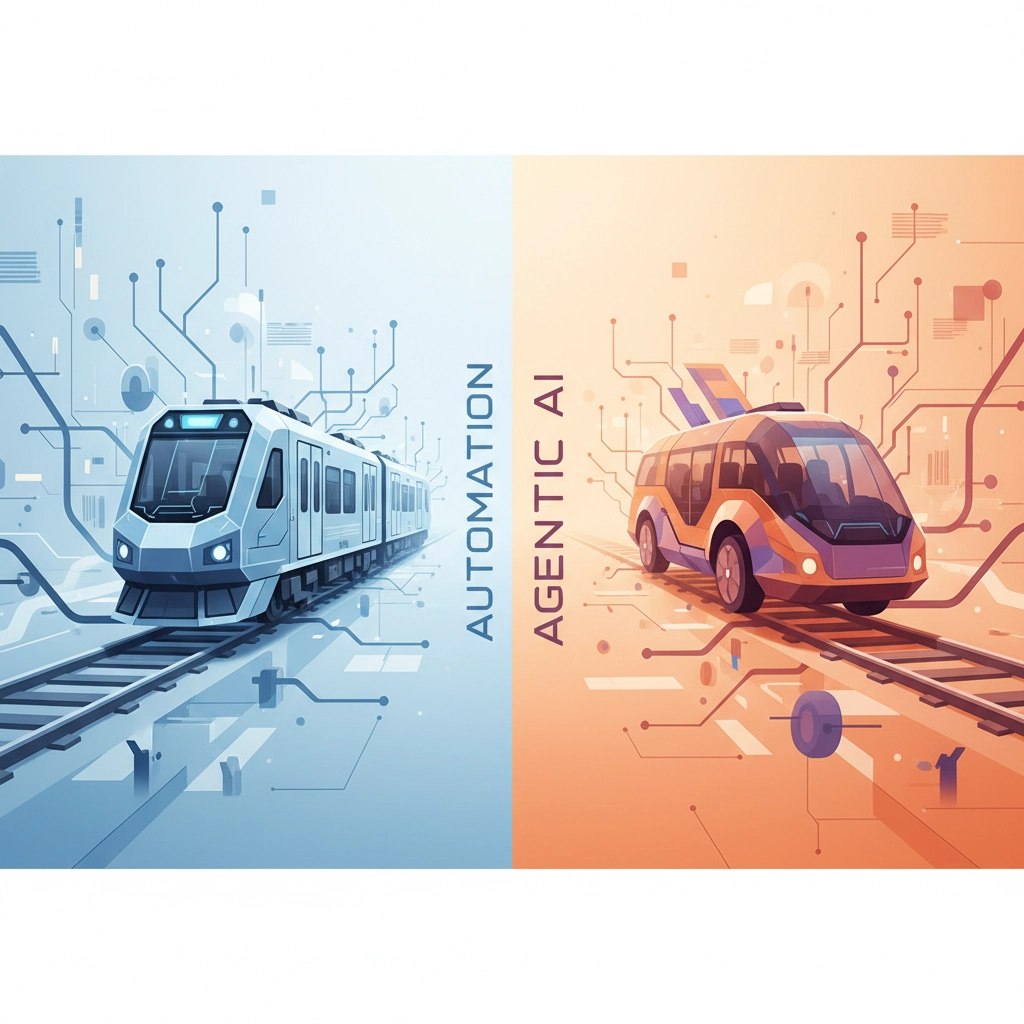
Think of it this way: traditional process automation is like a train on tracks: it can only go where the rails lead. Agentic AI is more like a skilled driver who understands the destination, can navigate obstacles, choose alternative routes, and make informed decisions along the way.
This shift requires a completely different approach to process design. Instead of mapping every possible scenario and decision point, you're creating intelligent workflows that focus on outcomes and human handoff points, allowing AI agents to determine the best path forward.
The Data Foundation: Your Process Intelligence Backbone
The success of any agentic transformation hinges on one critical element: your data foundation. AI agents are only as intelligent as the data they can access and interpret, which means your current process data infrastructure needs a serious evaluation.
Start with Process Discovery
Before implementing any agentic solution, you need complete visibility into your current processes. This goes beyond traditional process mapping: you need real-time process intelligence that shows:
How work actually flows through your organisation (not how it's supposed to flow)
Where bottlenecks and inefficiencies occur
Which processes have the highest variability and complexity
Where human decision-making adds the most value
Process mining technology becomes essential here, providing objective insights based on actual system logs and transaction data rather than subjective interviews or outdated process documentation.
Build for Interoperability
Australian enterprises typically operate with 12 or more platforms that don't communicate effectively. Agentic AI systems need to work across these fragmented ecosystems, which requires building foundations for true interoperability.
This means:
Standardising data formats across systems
Creating APIs that allow seamless information exchange
Establishing master data governance that ensures consistency
Building real-time data pipelines that can support dynamic decision-making
Governance: Setting Boundaries for Autonomous Systems
One of the biggest concerns Australian organisations express about agentic AI is control. How do you maintain oversight when systems are making autonomous decisions? The answer lies in robust governance frameworks established before deployment.
Define Decision Boundaries
Not every decision should be automated, and not every automated decision should have the same level of autonomy. Create clear classification systems that define:
Which decisions can be fully automated
Which require human approval or oversight
Which should trigger alerts or escalations
How to handle exceptions and edge cases
Establish Monitoring and Audit Trails
Agentic systems need comprehensive monitoring capabilities that track:
What decisions were made and why
Which data sources influenced each decision
How often human intervention was required
Performance metrics and outcome tracking
This isn't just about compliance (though that's important for Australian enterprises dealing with strict regulatory requirements): it's about building organisational trust and enabling continuous improvement.
The Technology Architecture for Agentic Operations
Moving from manual to agentic processes requires rethinking your technology architecture. The traditional approach of building point-to-point integrations and custom workflows won't scale in an agentic environment.
Design for Agent Ecosystems
Instead of thinking about individual AI tools, design your architecture to support networks of specialised agents that can collaborate on complex tasks. This requires:
Service-oriented architectures that expose business capabilities as reusable services
Event-driven systems that can trigger agent responses to real-time conditions
Orchestration layers that coordinate multi-agent workflows
Security frameworks that can manage agent-to-agent authentication and authorisation
Plan for Evolution
The agentic AI landscape is evolving rapidly. Build your architecture with flexibility in mind, using standards-based approaches that can adapt as new capabilities emerge. Consider how your current investments in process automation, business intelligence, and data management can be leveraged rather than replaced.

Preparing Your Workforce for Human-Agent Collaboration
The most successful agentic transformations don't replace humans: they augment human capabilities and create new forms of collaboration. This requires deliberate workforce preparation that goes beyond traditional change management.
New Roles and Responsibilities
Agentic operations create entirely new job categories:
Agent orchestrators who design and manage multi-agent workflows
Process intelligence analysts who identify opportunities for agentic automation
Human-in-the-loop specialists who handle exceptions and edge cases
AI ethics and governance officers who ensure responsible deployment
Skills Development
Your existing workforce needs new skills to work effectively with AI agents:
Understanding how to provide context and guidance to AI systems
Interpreting AI-generated insights and recommendations
Knowing when to override or redirect agent behaviour
Maintaining process knowledge that agents can leverage
Starting Small, Scaling Smart
The temptation with agentic AI is to tackle everything at once. Resist this urge. The most successful implementations start with carefully chosen pilot processes that demonstrate value while building organisational capability.
Choose the Right First Use Case
Look for processes that are:
High-volume and repetitive (where efficiency gains are immediately visible)
Well-understood but complex (where human expertise can guide agent development)
Cross-functional (demonstrating the collaborative potential of agentic systems)
Measurable (enabling clear ROI demonstration)
Build Momentum Through Success
Each successful implementation should generate insights and capabilities that accelerate the next phase. Document what works, what doesn't, and why. Create internal champions who can share real-world experiences and help address concerns from other teams.
The Australian Context: Unique Challenges and Opportunities
Australian enterprises face specific challenges that make the case for agentic transformation particularly compelling:
Regulatory Complexity Australian businesses deal with complex compliance requirements across multiple jurisdictions. Agentic AI can help navigate this complexity by maintaining up-to-date knowledge of regulatory changes and automatically adjusting processes to maintain compliance.
Skills Shortages Many Australian industries face significant skills shortages. Agentic systems can help bridge these gaps by automating routine tasks and enabling smaller teams to handle greater complexity.
Geographic Distribution Australia's vast geography and distributed business operations create natural use cases for agentic systems that can operate across time zones and locations without human intervention.

Measuring Success and Continuous Improvement
Agentic transformation isn't a destination: it's an ongoing journey of improvement and adaptation. Establish measurement frameworks from the beginning that track both operational metrics and strategic outcomes.
Operational Metrics
Process cycle times and throughput
Error rates and quality measures
Resource utilisation and cost per transaction
Agent performance and learning rates
Strategic Indicators
Customer satisfaction and experience scores
Employee engagement and productivity
Innovation velocity and time-to-market
Competitive positioning and market response
Building Your Roadmap Forward
The transition from manual to agentic operations requires a structured approach that balances ambition with pragmatism. Start by conducting a comprehensive process intelligence assessment to understand your current state and identify the highest-value opportunities for agentic automation.
Invest in building robust data foundations and governance frameworks before deploying your first agents. Focus on creating an architecture that can evolve and scale as your agentic capabilities mature.
Most importantly, remember that this transformation is ultimately about people. The organisations that succeed will be those that effectively combine human insight and creativity with AI capability and efficiency.
Your Next Steps
The foundation for agentic transformation starts with understanding your processes deeply and building the data, governance, and architectural capabilities that enable intelligent automation. Every day you delay building this foundation is a day your competitors gain ground.
Begin with a thorough assessment of your current process landscape. Identify where your biggest inefficiencies and opportunities lie. Start building the data and governance foundations that will enable successful agentic deployment. Most importantly, start preparing your workforce for new ways of working that combine human expertise with AI capability.
The future belongs to organisations that can seamlessly blend human intelligence with artificial intelligence. By building the right process foundation today, you're positioning your enterprise to thrive in that future. The journey from manual to agentic isn't just about technology: it's about creating more intelligent, adaptive, and resilient ways of working that will drive sustainable competitive advantage for years to come.